


Sustainable Ecommerce Mailer Box: Materials, Design and Recycling Guide
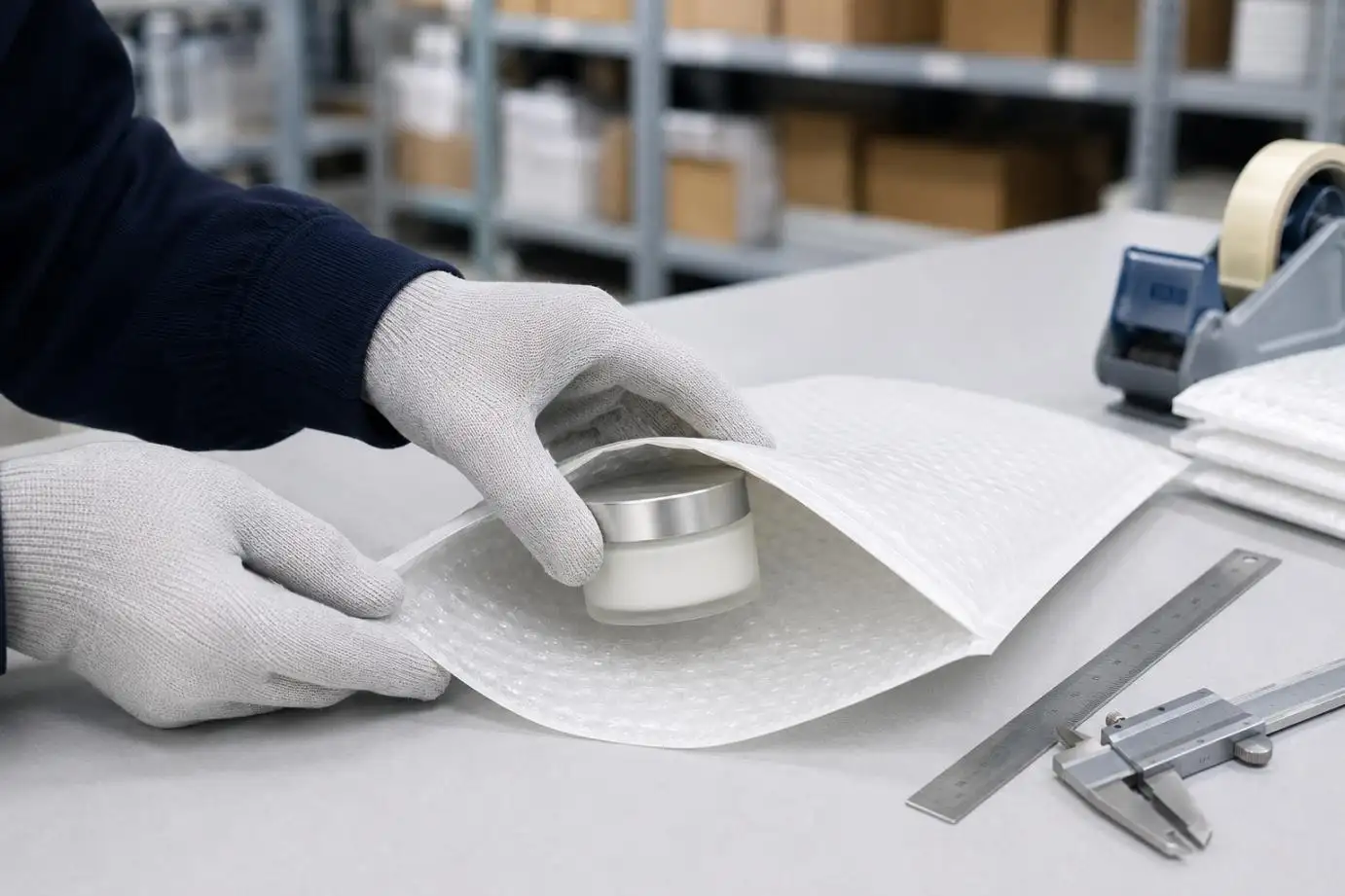
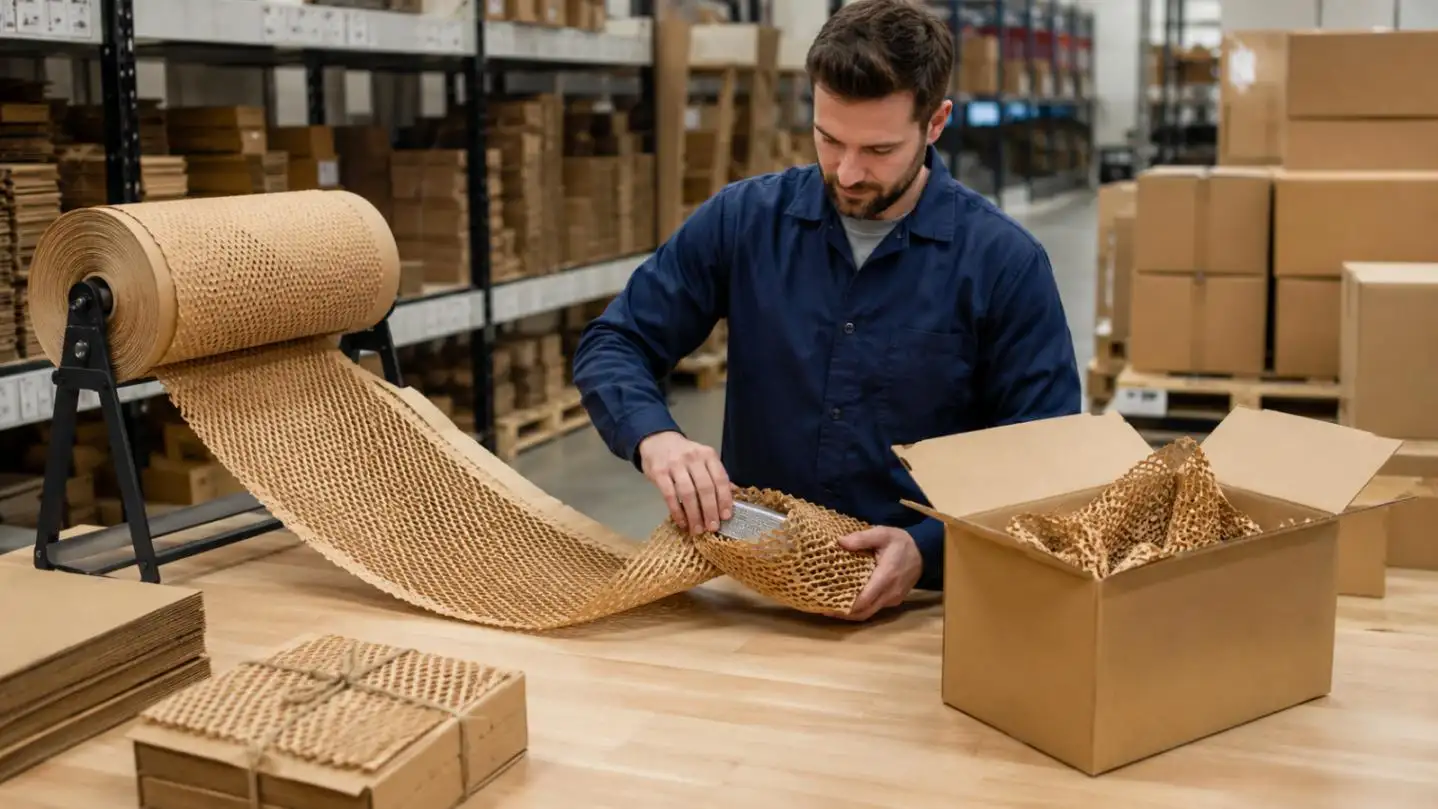
A sustainable Ecommerce Mailer Box is not simply a paper box with an environmental logo. Its real impact is determined by fiber composition, board strength, box-to-product fit, converting efficiency, transit performance and recovery after use.
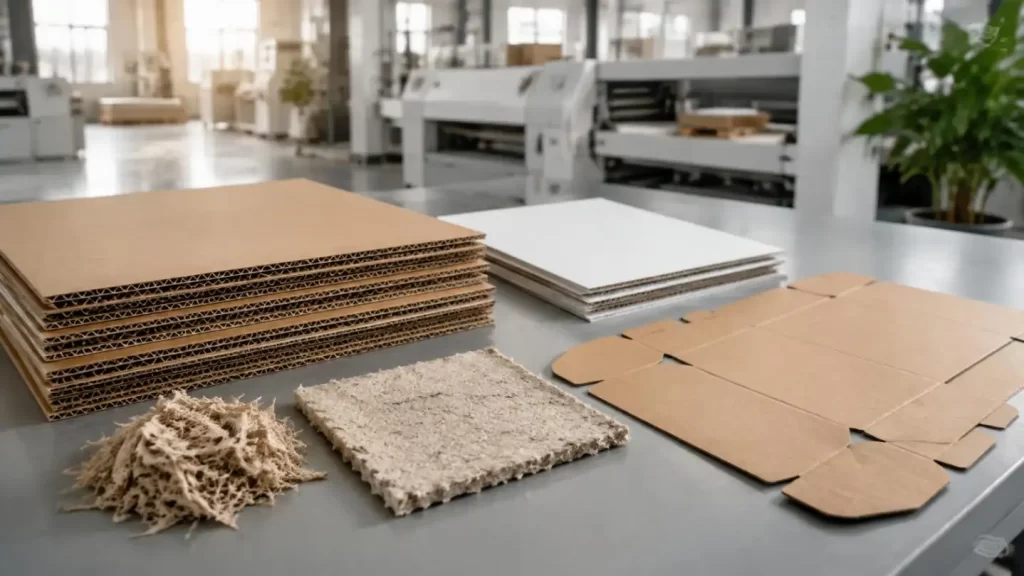
At GT GROUP, we treat sustainability as a packaging-engineering decision. A box that uses less fiber but fails under compression can cause product damage, returns and replacement shipments. The practical objective is therefore to use the least material necessary while maintaining reliable protection throughout the distribution cycle.
What Characterizes a Sustainable Ecommerce Mailer Box?
A well-defined Ecommerce Mailer Box should help clients achieve measurable improvements relating to the following comprising elements:
• Material efficiency: Related to use of proper paper grades, use of suitable ratio of recycled fibers as well as use of biodegradable packing peanuts.
• Structural efficiency: Reduction of board area, inserts and empty spaces.
• Distribution performance: Ability to withstand stacking, impact, vibration and Humidity.
• End of life performance: Ability to be easily separated from components that enable paper recovery.
These factors are interrelated. An increase in the level of recycled content may change the compression performance, while a reduction in wall thickness may require a more efficient structure; the addition of moisture barrier may reduce recyclability.
Ecommerce Mailer Box Material Selection
Corrugated mailer boxes are normally produced from linerboard bonded to a fluted medium. Performance depends on the complete board construction—not simply whether the outer surface is brown or white.
| Board option | Technical characteristics | Recycling consideration | Typical use |
| Recycled corrugated board | Good general protection; strength varies with fiber quality | Reduces virgin-fiber demand | Apparel, stationery and lightweight goods |
| Virgin kraft corrugated board | Strong fibers and stable compression performance | Responsible sourcing should be verified | Heavier or protection-sensitive products |
| Mixed-fiber corrugated board | Balances strength, cost and recycled content | Fiber ratio should be documented | General e-commerce fulfillment |
| White-top corrugated board | Smooth surface for detailed printing | May require additional paper processing | Cosmetics, gifts and subscription boxes |
| Laminated or coated board | Improved scuff or moisture resistance | Some films and coatings hinder fiber recovery | Products exposed to abrasion or humidity |
Recycled Content Versus Structural Strength
Higher recycled content can reduce reliance on virgin fiber, but repeated recycling shortens paper fibers. This can affect edge crush, fold endurance and resistance to humid conditions. It does not make recycled board unsuitable; it means the board grade must match the packed product and shipping environment.
At GT GROUP, material selection begins with:
•Packed product weight and dimensions
•Product fragility and surface sensitivity
•Required stacking height
•Fulfillment and carrier conditions
•Expected temperature and humidity
•Printing and presentation requirements
•Target recycled content and sourcing documentation
FSC certification can verify responsible sourcing and chain of custody, but it does not automatically prove that a finished Ecommerce Mailer Box is recyclable. Film lamination, windows, labels and coatings must be assessed separately.
Technical Parameters That Matter
Packaging descriptions like "strong cardboard" are too general for a commercial packaging specification. Buyers need to analyze beyond that.
•Flute Profile: E-flute has a thin structure and printing is aesthetically pleasing. B-flute has more cushioning and strength during the stacking process.
•Edge Crush Test: This test measures a product's resistance to compressed edges and helps estimate the strength during the process of stacking product.
•Burst Strength: Resistance to rupture and penetration.
•Cobb Value: How much water is absorbed by the paper.
•Board Caliper: Directly affects the interior dimensions and external dimensions and affects shipping.
•Crease Accuracy: Affects assembly and performance during the function of locking the unit.
During the development of custom packaging, the GT GROUP analyzes the factors listed then picks a board thickness based on the product size.
Designing Right Sized Ecommerce Mailer Box
Extra large boxes consume more resources, require more material for void fill, and lead to increased dimensional weight.
The divisor varies by carrier and market, so it should be confirmed before the box dimensions are finalized.
A right-sized Ecommerce Mailer Box should provide only the clearance required for loading, cushioning and dimensional tolerances. The design process should consider:
- Product orientation inside the box
- Distance between the product and impact surfaces
- Movement during vibration
- Space required for inserts or documents
- Packing-line assembly requirements
EU packaging rules are also increasing pressure to reduce empty space. Under the PPWR, grouped, transport and e-commerce packaging will be subject to a maximum empty-space ratio of 50%, including space occupied by fillers.
Self-Locking and Foldable Structure
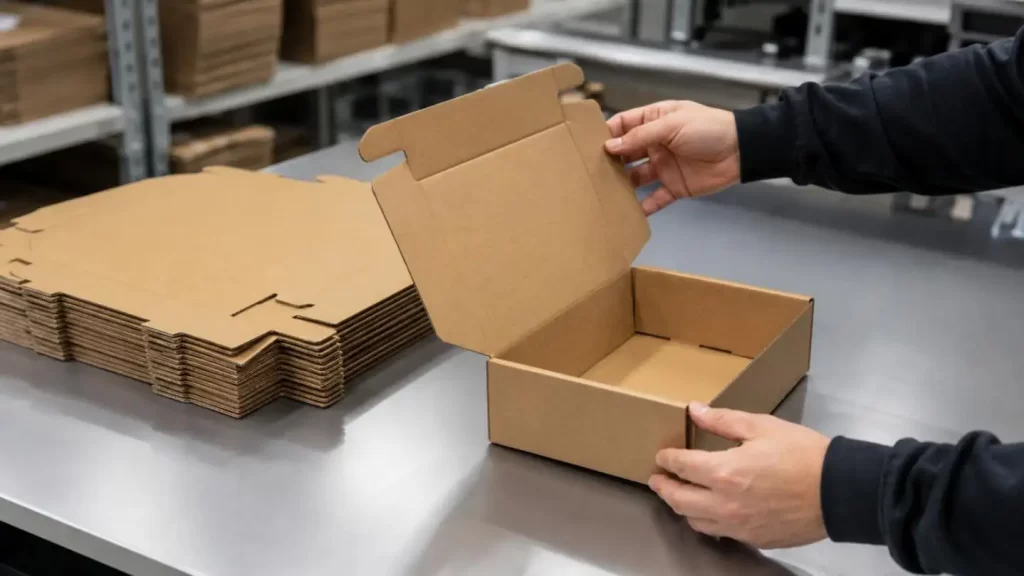
GT GROUP's self-locking foldable mailer boxes are supplied flat and formed at the packing station. Their structural advantages include:
•Fast assembly without tape or glue during box forming
•Reduced incoming freight and warehouse volume
•Locking flaps that maintain the box shape
•A clean surface for printed branding
•Suitability for clothing, accessories and compact goods
"Self-locking" should not be confused with "tamper-evident." Depending on product value, weight and carrier handling, an external security label or sealing strip may still be necessary.
Material Reduction Must Not Increase Damage
The most sustainable Ecommerce Mailer Box is not always the lightest one.
| Design decision | Under-specified result | Over-specified result | Engineering approach |
| Board grade | Panel bulging or crushing | Excess weight and cost | Match compression strength to load |
| Internal clearance | Direct impact on the product | High void-fill consumption | Allow controlled cushioning space |
| Inserts | Product movement and abrasion | Unnecessary components | Protect only critical surfaces |
| Moisture barrier | Strength loss in humidity | More difficult recycling | Apply only when exposure requires it |
| Closure | Accidental opening | Excess tape and adhesive | Validate locks under packed weight |
Prototype boxes should be assessed using the actual product. Relevant tests may include compression, drop, vibration and humidity conditioning. ISTA 3A is commonly used for individual parcel shipments, while ISTA 3L addresses broader e-commerce retailer fulfillment hazards.
Can an Ecommerce Mailer Box Be Recycled?
Ecommerce Mailer Boxes made of paper are more likely to be recycled during typical paper recycling when dry and clean and easily separated from the non-paper components. Not all local systems accept them.
Customers should be instructed to:
- Remove the product and loose inserts.
- Separate foam, plastic windows and reusable accessories.
- Remove labels or tape when required locally.
- Keep the box free from oil, food and excessive moisture.
- Flatten the box before placing it in the paper stream.
"Recycled," "recyclable" and "compostable" are not interchangeable. Recycled describes material origin; recyclable depends on collection and reprocessing access; compostable requires specified biological conditions.
Procurement Checklist
Before approving a custom Ecommerce Mailer Box, document:
•Internal and external dimensions
•Product weight and load orientation
•Board grade, flute and recycled-fiber percentage
•Compression, drop and moisture requirements
•Ink, coating, adhesive and lamination specifications
•Artwork, barcode and label areas
•Assembly and sealing method
•Sample approval criteria
•Destination-market recycling instructions
•MOQ, production schedule and packing method
GT GROUP supports logo and graphic customization, sample-based development and ODM projects. Our process moves from requirement review and quotation to material confirmation, sampling, production control and delivery.
A well-engineered Ecommerce Mailer Box reduces the amount of material and shipping space required without shifting that risk to the product. Brands looking at a new box can contact GT GROUP to find out about dimensions, board construction, printing, testing, and mass sample requirements.
FAQs
Q1. What Products Can Be Packed in GT GROUP's Ecommerce Mailer Boxes?
GT GROUP's self-locking mailer boxes are commonly used for clothing, accessories, stationery, subscription items and other compact e-commerce products. The final board structure should be selected according to product weight, dimensions, fragility and shipping conditions.
Q2. Can GT GROUP Customize the Size of an Ecommerce Mailer Box?
Yes. GT GROUP can develop box dimensions around the packed product and required cushioning space. Right-sizing helps reduce unnecessary corrugated material, void fill, storage volume and dimensional shipping weight.
Q3. What Ecommerce Mailer Box Customization Services Does GT GROUP Provide?
GT GROUP supports logo and graphic customization, specification adjustments, sample-based production and ODM development. Its process covers requirement review, quotation, sample approval, production and delivery. View GT GROUP's customization services.
Q4. Do GT GROUP Self-Locking Mailer Boxes Require Tape or Glue?
The self-locking structure can be assembled without tape or glue during box forming. However, an external sealing label or tape may still be recommended for heavy, valuable or tamper-sensitive shipments. View the self-locking foldable box.
Q5. How Does GT GROUP Select the Board and Flute Structure?
GT GROUP evaluates packed weight, box dimensions, stacking load, product fragility, humidity exposure and print requirements. E-flute may suit compact branded boxes, while a thicker flute can provide additional cushioning and compression resistance.
Share on Social:


