


Peel And Stick Insulation Roll for RV and Camper Interior Insulation
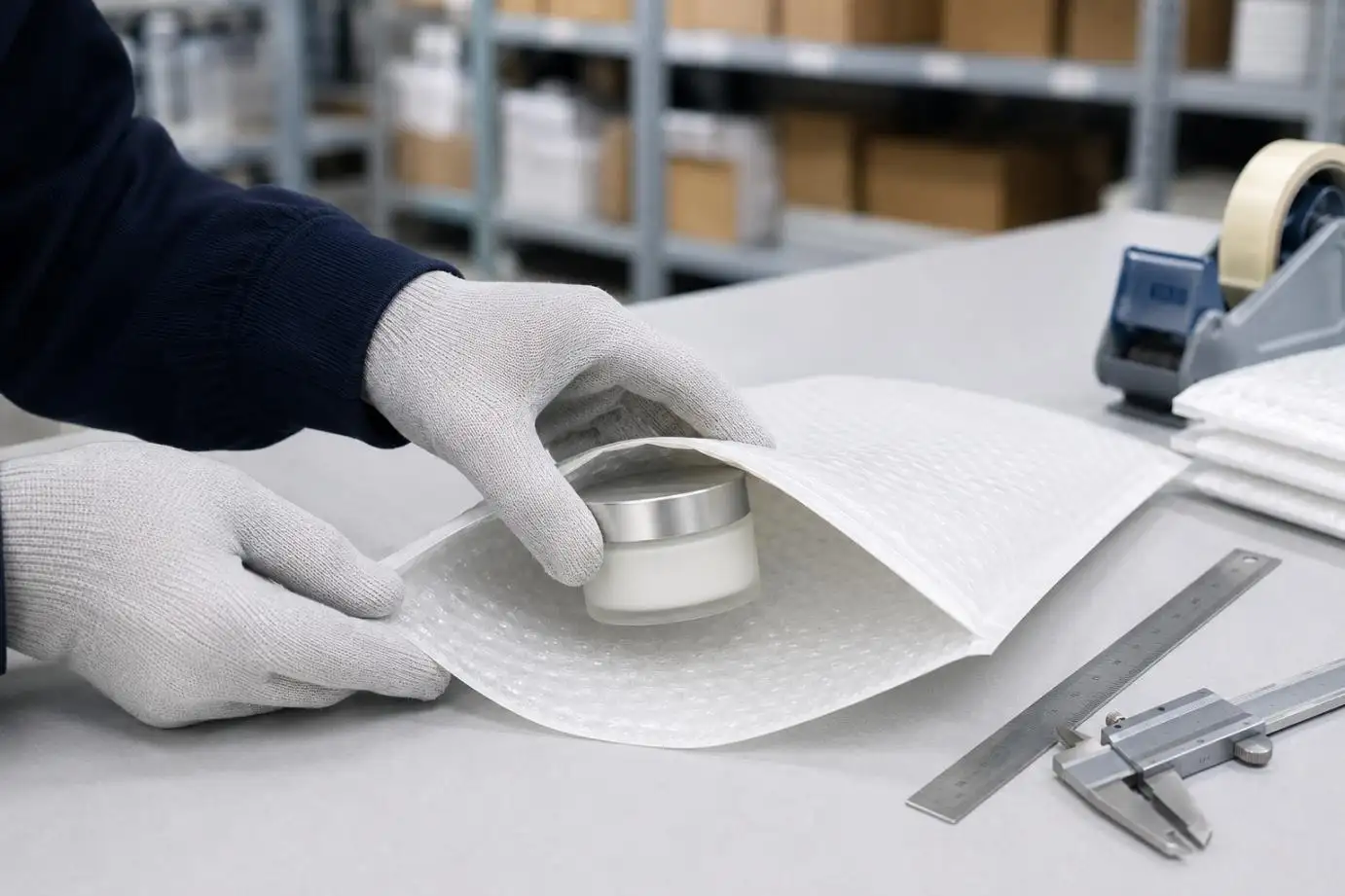
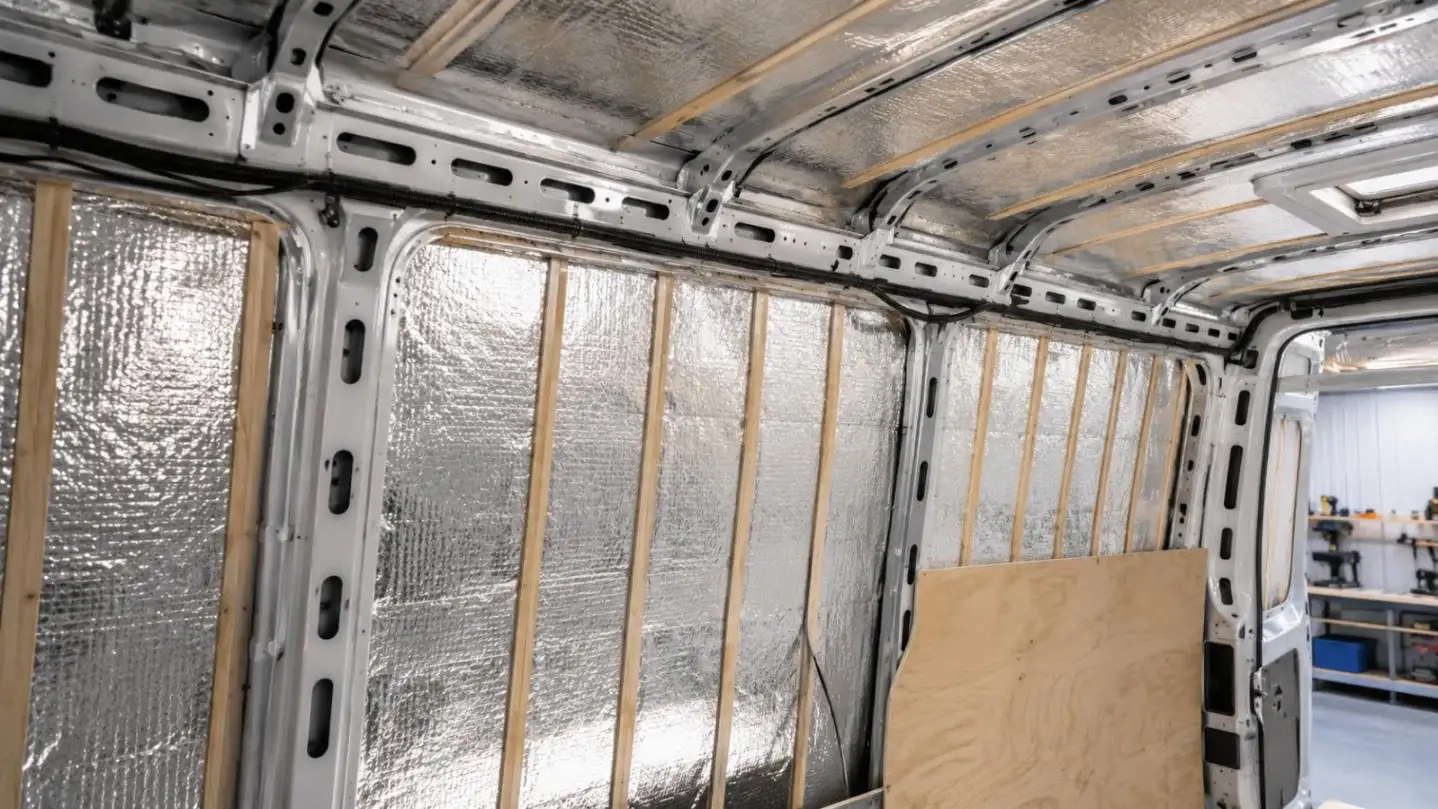
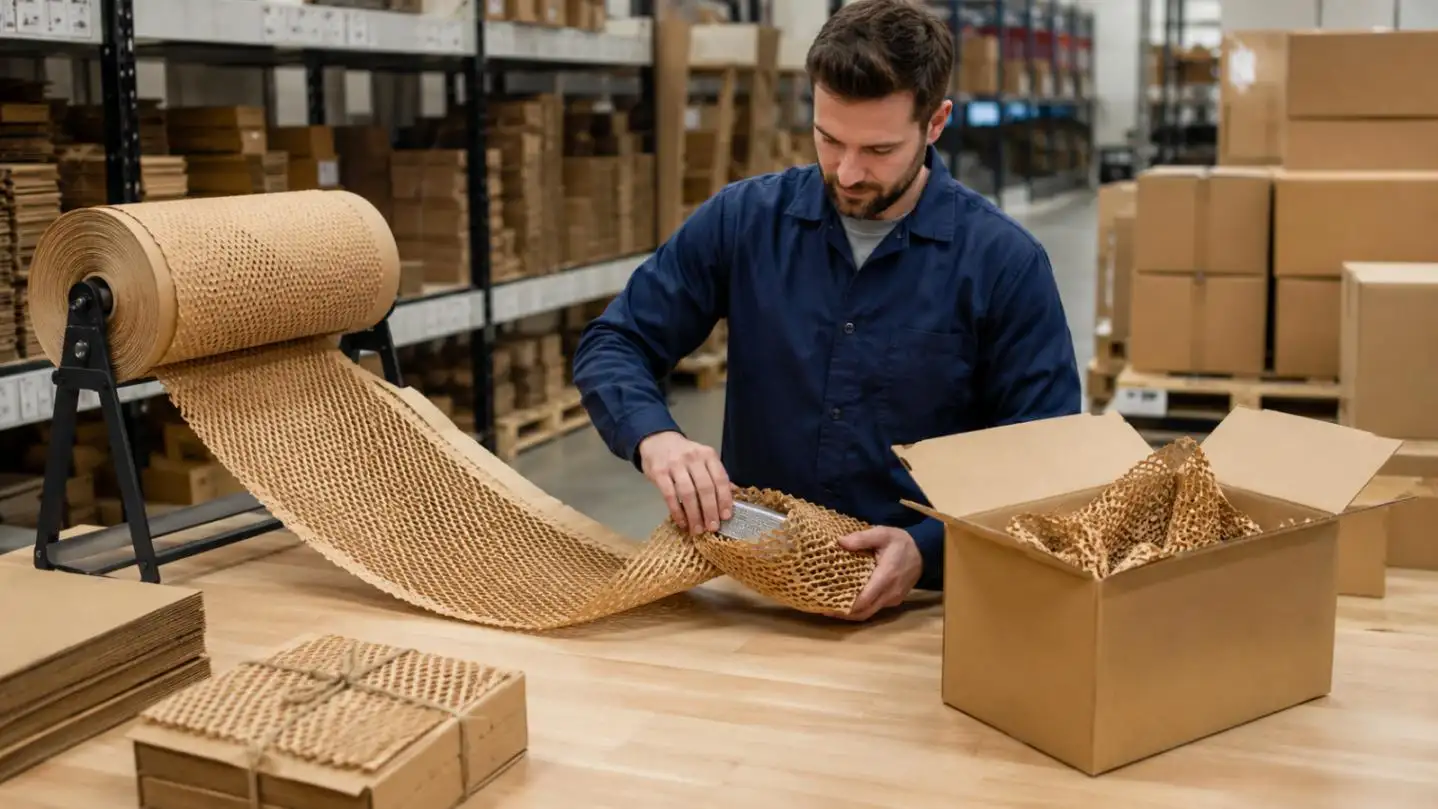
RV insulation needs to account for thinner cavities while still addressing solar heat, cold metal panels, vibration, moisture, and weight restrictions. A Peel And Stick Insulation Roll could help, but this insulation requires a complete wall or roof assembly for effective performance and should not be evaluated on the appearance of the foil or insulation thickness.
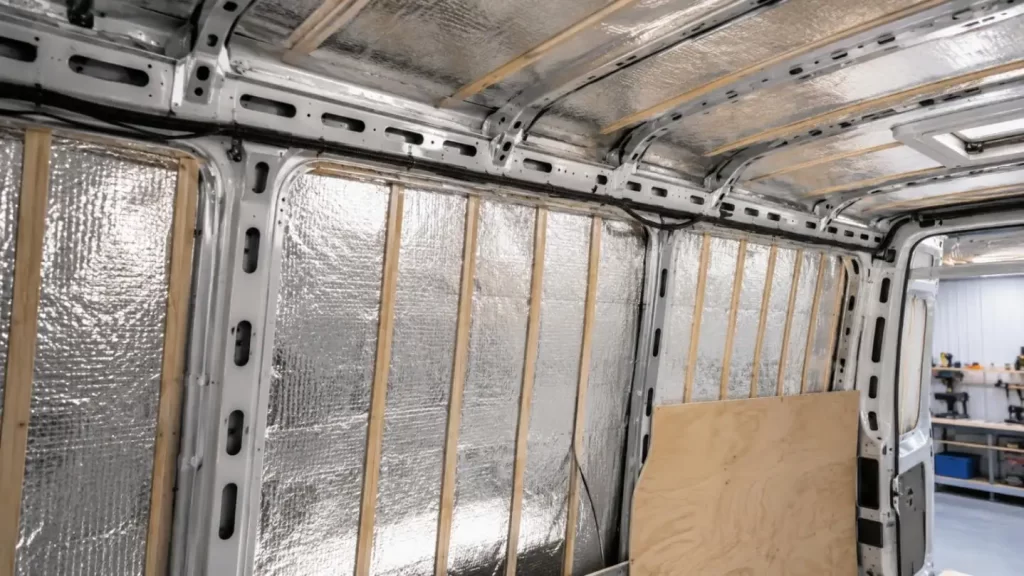
In our design process, we consider substrate, installation area, climate, and the space available, as well as required documentation, before choosing a material structure.
Why RV Insulation Is Technically Challenging
RV wall and camper bodies do not follow the guidelines of building wall construction:
•Fast transfer of heat is associated with aluminum and steel.
•Metal ribs and fasteners create continuous thermal bridges.
•Shallow cavities allow for less insulation.
•Curved panels force a poor fit for materials.
•Joints relate to adhesive strength by the disturbance of road construction.
•Increased humidity occurs due to cooking, washing, and even breathing.
•Roof temperatures can be much higher than the outside air when the roof is exposed to direct sunlight.
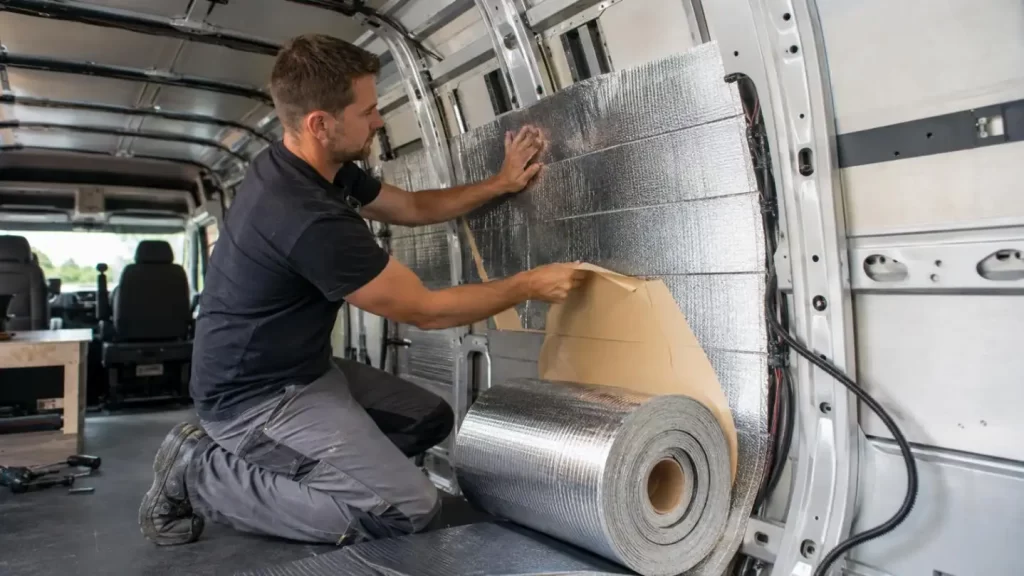
A Peel And Stick Insulation Roll is useful in these conditions because it is flexible, lightweight and supplied in a continuous format. It can be cut around ribs, wiring and irregular surfaces, reducing the number of separate fixing operations.
How a Peel And Stick Insulation Roll Controls Heat
A camper insulation assembly must address three heat-transfer paths.
| Heat-Transfer Path | Function of the Material | Important Limitation |
| Conduction | Foam or polymer layers slow heat flow through the vehicle skin | Performance depends on core type, density and thickness |
| Radiation | Aluminum facing can reduce radiant heat transfer | The reflective surface normally needs to face an air space |
| Air movement | Continuous sheets can support air-control detailing | Edges, seams and penetrations still require sealing |
The air-space condition is particularly important. DOE guidance shows that reflective barriers work with an adjacent air space. If a Peel And Stick Insulation Roll is bonded directly to metal and tightly covered by another solid layer, the foam core still provides conductive resistance, but the reflective contribution may be lower.
For this reason, GT GROUP does not recommend evaluating reflective insulation by surface appearance alone. Any quoted R-value should identify:
•Test method and specimen thickness;
•Product-only or complete-assembly result;
•Air-space depth and orientation;
•Mean test temperature;
•Direction of heat flow.
Selecting the Correct Material Structure
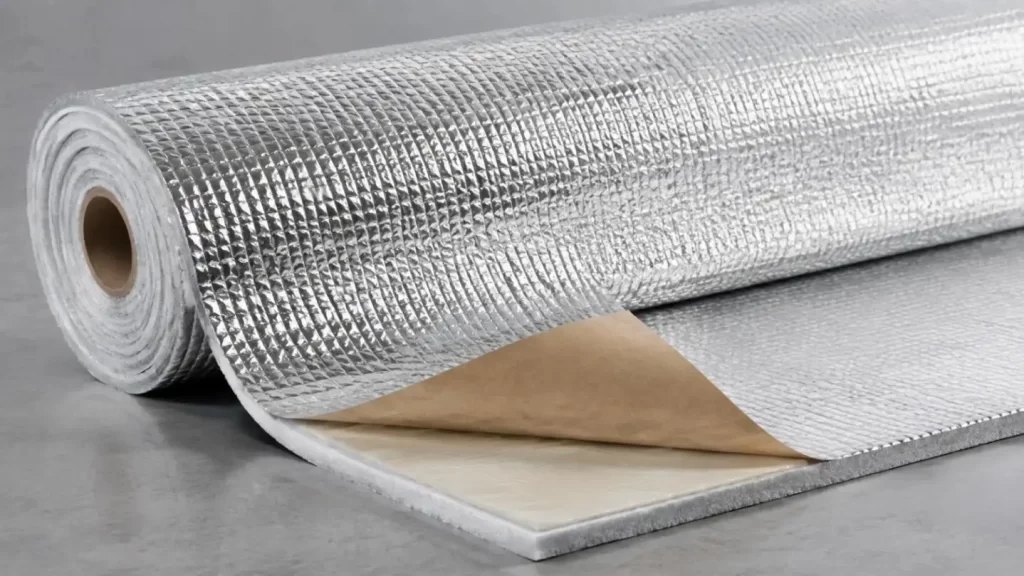
GT GROUP's Peel And Stick Insulation Roll can use aluminum foil layers, foam substrates or polymer insulation films with pressure-sensitive adhesive backing. Selection should begin with the application conditions.
Core and Facing
A thicker foam layer may improve conductive resistance and surface conformity, but it also reduces usable cabin space. The foil layer may function as a reflective facing or vapor-control layer, depending on its orientation, seams and surrounding assembly.
Adhesive System
The backing must be compatible with the actual substrate—not simply described as "strong adhesive." Painted steel, bare aluminum, plywood, composite panels and plastics have different surface energies.
For production projects, verify:
•Initial tack during installation;
•Peel and shear strength after curing;
•Performance after heat and cold cycling;
•Resistance to humidity and vibration;
•Compatibility with coatings and plasticizers;
•Residue or delamination during maintenance.
A coupon test on the production substrate is more useful than testing on an unrelated smooth laboratory panel.
Roll Dimensions
Correct roll width can reduce seams, labor and offcut waste. GT GROUP recommends preparing a cutting layout from the roof, wall and floor dimensions before confirming the roll specification.
Matching the Roll to Each RV Area
One Peel And Stick Insulation Roll specification should not automatically be applied throughout the vehicle.
| Installation Area | Main Load | Specification Priority |
| Roof | Solar gain and high skin temperature | Reflective orientation, adhesive temperature stability |
| Sidewall | Thermal bridging through ribs | Flexible coverage, controlled thickness |
| Floor | Compression, abrasion and ground-side cold | Compression resistance and moisture protection |
| Door | Narrow cavities and moving components | Thin structure and secure adhesion |
| Wheel arch | Curvature and road vibration | Conformability and fatigue-resistant bonding |
| HVAC duct | Temperature difference and condensation | Seam control and suitable service temperature |
Areas close to exhaust systems, engine components, heaters or electrical heat sources require specific temperature and fire-performance verification.
Peel And Stick Insulation Roll and Condensation Control
A Peel And Stick Insulation Roll can increase the interior surface temperature, but it cannot eliminate condensation on its own.
Condensation becomes possible when:
Interior Surface Temperature ≤ Cabin-air Dew-point Temperature
Warm, humid air can reach cold metal through open seams, service penetrations or uninsulated ribs. Moisture may then remain hidden behind the interior lining.
A reliable moisture strategy should include:
•Repairing exterior leaks before insulation;
•Keeping the insulation layer continuous across metal ribs where practical;
•Sealing joints and penetrations according to the assembly design;
•Providing controlled cabin ventilation;
•Avoiding two vapor-tight layers that trap construction moisture;
•Checking likely condensation points during cold-weather trials.
The correct vapor-control position depends on climate and wall construction. "Foil-faced" should not automatically be interpreted as a complete vapor barrier.
Comparison With Other RV Insulation Materials
| Material | Strengths | Engineering Limitations |
| Peel And Stick Insulation Roll | Thin, flexible, lightweight and fast to fit | Dependent on substrate preparation, seam design and air-space conditions |
| Rigid foam board | Consistent core thickness | Difficult around curves; board joints require sealing |
| Fiberglass | Fills deeper regular cavities | May settle, retain moisture or leave voids |
| Closed-cell spray foam | Fills irregular gaps and limits air movement | Difficult to remove; workmanship strongly affects results |
A Peel And Stick Insulation Roll may be used as the primary layer in shallow assemblies or combined with bulk insulation where greater conductive resistance is required. The comparison should be made at complete-assembly level, including ribs, gaps and interior panels.
Installation and Quality-Control Checklist
Before complete installation:
- Look for leaks, corrosion and loose coatings on the vehicle skin.
- Make sure to clean, degrease and dry the substrate.
- Adhesive compatibility must be assessed on selection panels.
- Prepare templates around wire harnesses, ribs and access ports.
- Remove the adhesive liner slowly and apply uniform pressure.
- Seams and penetrations must be treated, however drains and other means of ventilation must not be blocked.
- Look for bubbles, raised corners and areas which are not in contact with the skin.
- Check adhesion after thermal cycling.
Buyers should request data for construction, thickness tolerance, thermal testing, emissivity, adhesion, service temperature, vapor transmission, VOCs and flammability. In the US, FMVSS 302 may apply to specified occupant-compartment components; applicability must be confirmed for the installation position.
Develop the Specification With GT GROUP
Please provide GT GROUP with substrate, installation drawings, cavity depth, expected temperature range, air-space design, compliance market, and Order volume. We'll take a look at the layer structure, adhesive backing, and the dimensions of the roll. We will provide samples for application testing prior to bulk production.
FAQs
Q1. What Peel And Stick Insulation Roll materials does GT GROUP offer?
GT GROUP manufactures flexible multilayer insulation rolls using aluminum foil, foam substrates, polymer insulation films and pressure-sensitive adhesive backing. The appropriate construction depends on the installation area and operating conditions.
Q2. Can GT GROUP customize Peel And Stick Insulation Roll for RV projects?
Yes. Layer structure, thickness, roll width, roll length and adhesive configuration can be discussed according to the RV design. Final specifications should be confirmed through drawings, technical requirements and sample evaluation.
Q3. What information should I provide when requesting a quotation?
Provide the installation area, substrate, available cavity depth, required roll dimensions, operating temperature, destination market, compliance requirements and estimated order quantity.
Q4. Can GT GROUP recommend insulation for different RV areas?
GT GROUP can evaluate structures for roofs, sidewalls, floors, doors, wheel arches and HVAC ducts. Each area may require different thicknesses, flexibility, compression resistance or adhesive performance.
Q5. Will the material adhere to aluminum, steel, plywood and plastic?
Adhesion depends on surface coating, surface energy, cleanliness, temperature and adhesive formulation. GT GROUP recommends testing material samples on the actual production substrate before bulk installation.
Share on Social:


